Skip to content
EcoAcoustic

rameshranpise.com

Sustainable Noise Solution

Home

Dr. Ramesh B. Ranpise

PhD (Environmental Engineering)
Design HSE Engineer | Noise Specialist | Environmental Consultant

An Environmental Engineer and Noise Specialist with 10+ years of experience working across Oil & Gas, Petrochemical, Refinery, Metro Rail, Construction, and Infrastructure sectors. Our expertise lies in noise monitoring, mapping, modelling, prediction, mitigation design, environmental compliance, and impact assessment.

Our work combines rigorous field experience with advanced research in urban road traffic noise, acoustic optimization, environmental audits, and sustainability solutions. We have served in key technical roles for large-scale national and international projects, including PMC, FEED/EPC projects in the oil & gas sector and major infrastructure developments such as high-speed rail and metro systems.

With a strong foundation in Noise Engineering, We provide organizations with precise assessments, data-driven modelling, and practical solutions that ensure safety, compliance, and environmental stewardship.

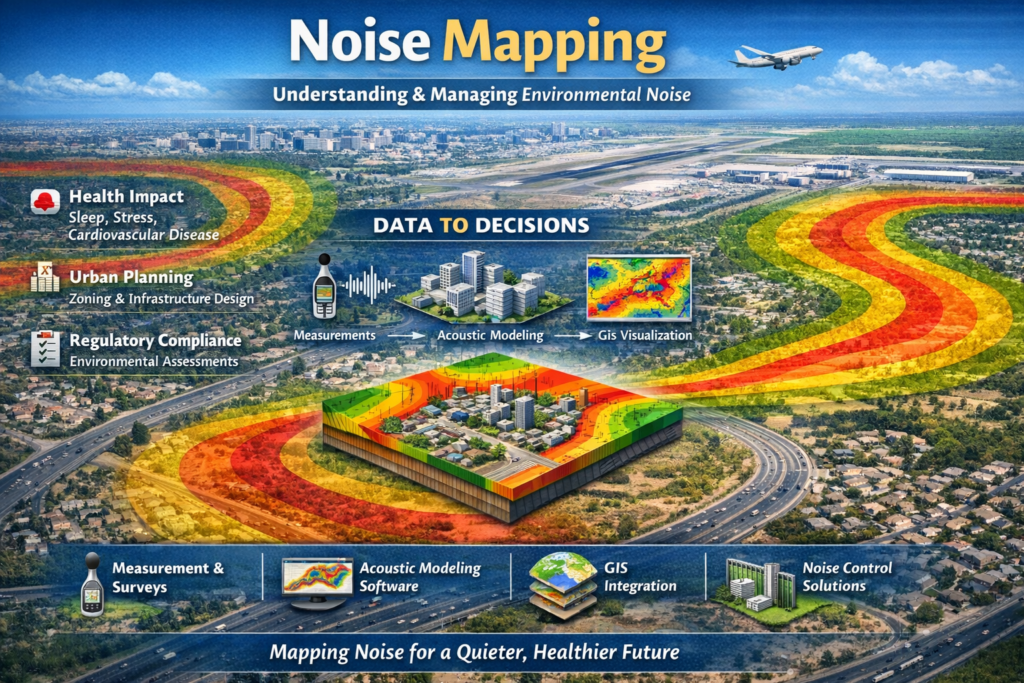
Advanced Noise Mapping & Acoustic Modelling

Sustainable Noise Solutions for a Quieter, Healthier Future
Innovative acoustic engineering, noise control, and eco-friendly sound solutions

Our Services

SoundPLAN Training

The 1-day SoundPLANnoise training is designed for engineers and technicians who create indoor and outdoor acoustic models for noise planning, impact assessments, and mitigation.
Participants will use SoundPLAN extensively to build models and predict noise from industrial facilities, roads, railways, race tracks, construction sites, and performance venues.
The course also covers barrier and mitigation optimization, data and project management, documentation, model verification, and presenting results using 2D/3D contours, cross sections, difference maps, and compliance maps..

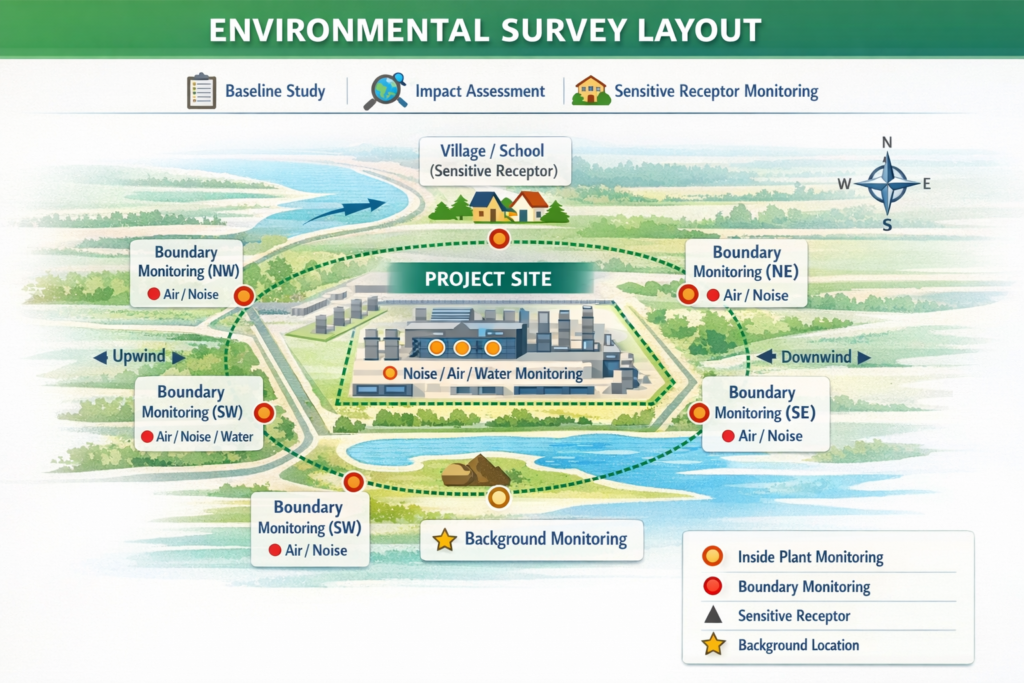
Noise Monitoring

Conducting a comprehensive noise monitoring and measurement survey using professional sound level meters to assess environmental noise levels in the area. Our instruments are strategically positioned to capture precise sound data, enabling an accurate evaluation of existing noise conditions and supporting effective noise management and mitigation planning.

Environmental Consultant

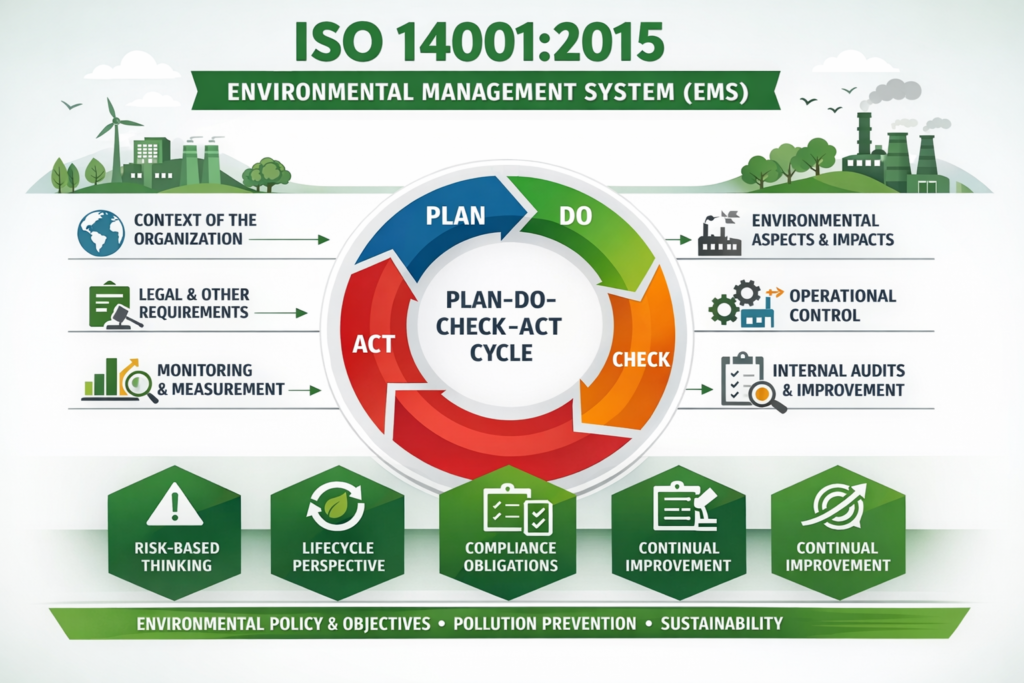
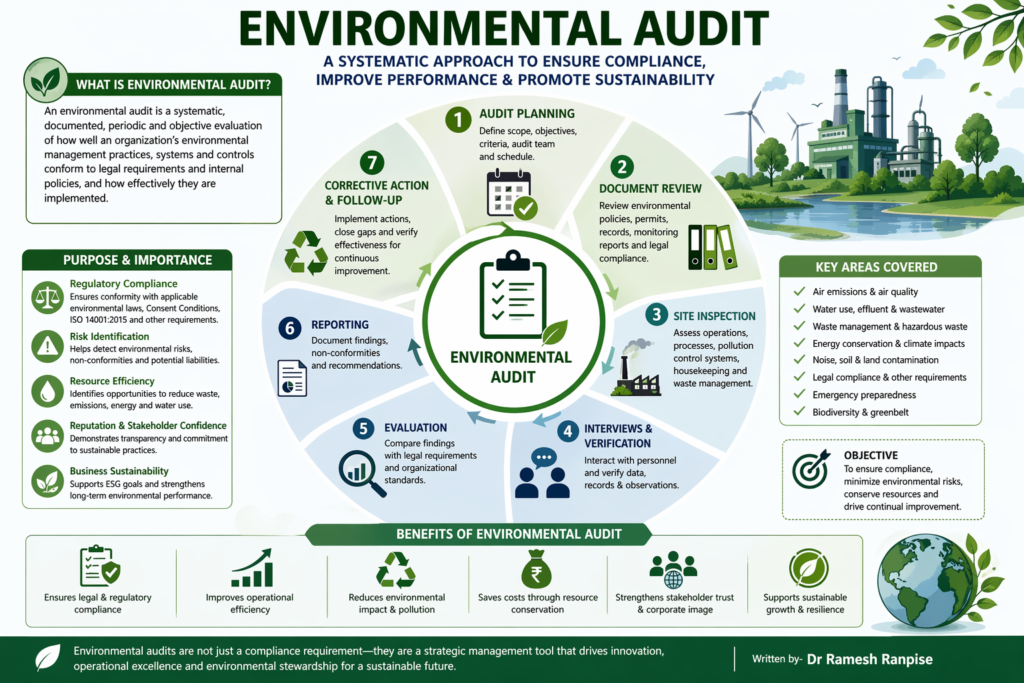
End-to-end environmental compliance and audit solutions that enable organizations to meet regulatory standards and operate sustainably. With strong expertise as environmental consultants, we review current systems, identify gaps, and provide actionable recommendations to enhance performance. Our commitment is to guide clients toward full compliance while fostering long-term environmental responsibility.

“An educated mind can reason, resist, and rebuild society”

Dr. B R Ambedkar

Why Choose Us

Passionate

Creating quieter, safer, and healthier environments through advanced noise engineering and practical environmental solutions. We enjoy transforming complex noise challenges into clear, effective strategies using precise monitoring, modelling, and mitigation design.

Sharing knowledge through training, research, and technical guidance is equally important to me. I am driven by a commitment to sustainable engineering, continuous learning, and delivering solutions that genuinely improve people’s lives and surroundings.

Professional

With extensive background in Environmental Engineering and Noise Control, We specialize in noise monitoring, mapping, modelling, and mitigation for Oil & Gas, Petrochemical, Metro, and major infrastructure projects. Our work integrates technical precision with regulatory compliance, ensuring safe and sustainable project outcomes.

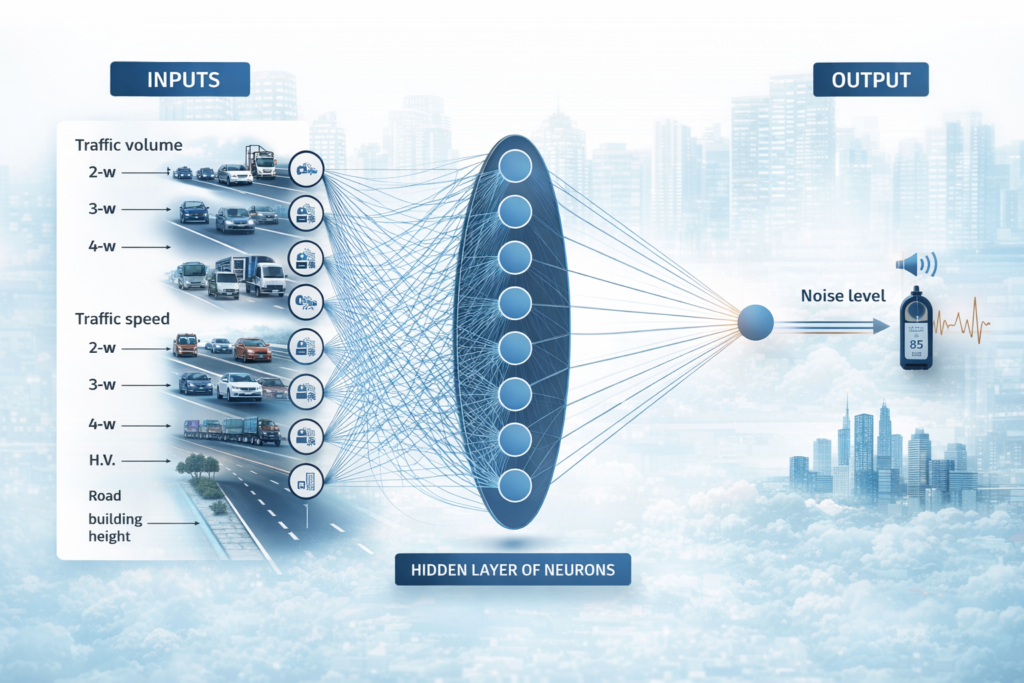
Strong expertise in SoundPLAN, ANN-based modelling, environmental audits, EIA, and legal compliance aligned with CPCB, OSHA, and international standards.

Support

Provide dedicated technical support for organizations seeking reliable solutions in noise engineering and environmental compliance. From on-site assessments to detailed reporting, modelling, and regulatory guidance, We ensure every client receives accurate, timely, and practical assistance. Whether you need help with noise mitigation, environmental audits, or compliance documentation, committed to delivering dependable support tailored to your project’s needs.

Research / Publications

Ranpise, Ramesh B. and Tandel, B.N. “Assessment and Appraisal of Morning Peak Time Urban Road Traffic Noise at Selected Locations of Major Arterial Roads of Surat City, India” Asian Journal of Water, Environment and Pollution, vol. 19, no. 1, pp. 81-86, 2022Download
Ranpise, Ramesh B. and Tandel, Bhaven N. “Urban Road traffic noise monitoring, mapping, modelling, and mitigation: A thematic review” Noise Mapping, vol. 9, no. 1, 2022, pp. 48-66. https://doi.org/10.1515/noise-2022-0004Download

Noise Pollution: Sources, Measurement, Impacts, Standards, and Control Measures

Noise pollution has become one of the fastest-growing environmental concerns across urban and industrial regions. Unlike other pollutants, noise leaves no residue in the environment, yet its consequences on human health, well-being, and productivity are profound. Understanding the sources, measurement methods, health impacts, regulatory standards, and control strategies is crucial for creating quieter and healthier communities.


1. Sources of Noise Pollution

Noise pollution arises from a variety of natural and man-made activities. Major sources include:

a) Industrial Sources

  • Heavy machinery
  • Boilers, generators, compressors
  • Metal cutting, grinding, forging operations

b) Transportation Sources

  • Road traffic (cars, trucks, buses, two-wheelers)
  • Rail traffic (locomotives, horns, track noise)
  • Air traffic (aircraft takeoff, landing, ground operations)

c) Construction and Urban Activities

  • Building construction, demolition
  • Excavation and road repair
  • Stone cutting, drilling, concrete mixing

d) Household and Community Noise

  • Loudspeakers, music systems
  • Domestic appliances (vacuum cleaners, mixers)
  • Social events, festivals, and fireworks

2. Measurement of Noise and Noise Indices

Noise is measured in decibels (dB) using a Sound Level Meter (SLM). Because human ears respond differently to various frequencies, measurements typically use A-weighting, expressed as dB(A).

Common Noise Measurement Metrics

a) Leq – Equivalent Continuous Noise Level

Represents a constant noise level that contains the same acoustic energy as varying levels over a given time.

b) Lmax/ Lmin

  • Lmax: Highest recorded sound level
  • Lmin: Lowest recorded sound level

c) L10, L50, L90

  • L10: Level exceeded for 10% of the measurement period (indicates traffic peaks)
  • L50: Median level
  • L90: Background noise level

d) Day-Night Level (Ldn)

Adds a 10 dB penalty to nighttime noise (commonly used in urban planning).

e) Noise Pollution Level (LNP)

A composite index considering both equivalent noise and background variation.


3. Effect of Meteorological Parameters on Noise Propagation

Environmental and weather conditions significantly influence how noise travels.

a) Temperature

  • Warm air near the ground causes sound to bend upward → reduced ground-level noise
  • Cooler surface temperatures cause downward refraction → increased noise levels

b) Humidity

Higher humidity enhances sound transmission due to lower atmospheric absorption.

c) Wind Speed and Direction

  • Downwind: Sound waves are carried further → higher noise impact
  • Upwind: Sound is pushed back → reduced noise propagation

d) Atmospheric Pressure

Lower pressure slightly increases sound absorption, reducing noise levels.

e) Rain and Fog

  • Rain absorbs high-frequency noise
  • Fog increases sound propagation by creating a stable atmosphere

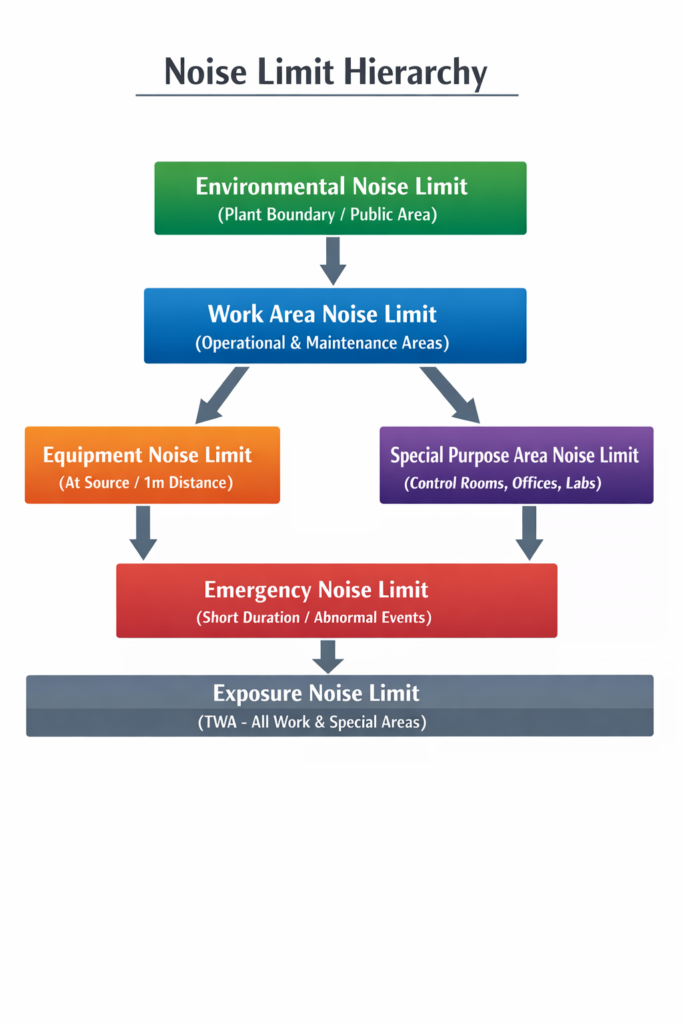
4. Noise Exposure Level and Standards

Various national and international agencies prescribe safe noise limits to protect public health.

Typical Acceptable Noise Levels

Zone / AreaDaytime Limit (dB(A))Nighttime Limit (dB(A))
Industrial Area7570
Commercial Area6555
Residential Area5545
Silent Zone (hospitals, schools)5040

(Values may vary slightly depending on national regulations.)

Occupational Exposure Standards

  • Maximum permissible exposure for workers:
    • 90 dB(A) for 8 hours (with decreasing exposure time allowed as noise increases)
  • Impulse noises and instantaneous peaks are also regulated due to extreme harm risk.

5. Impact of Noise on Health

Noise affects physical, mental, and social well-being.

a) Physiological Impacts

  • Hearing loss and tinnitus
  • Increased heart rate and blood pressure
  • Stress hormone release and cardiovascular risks

b) Psychological Impacts

  • Irritability, anxiety
  • Sleep disturbances
  • Reduced concentration and productivity

c) Cognitive and Behavioral Effects

  • Impaired learning in children
  • Reduced job performance
  • Increased accident rates due to distraction

d) Social Impacts

  • Communication interference
  • Community disputes
  • Lower overall quality of life

6. Control of Noise Pollution

Effective noise control requires a multi-layered strategy involving engineering controls, land-use planning, and public awareness.


A) Control of Industrial Noise

1. At the Source

  • Regular maintenance of machinery
  • Replacing old or noisy equipment
  • Use of vibration isolators, silencers, mufflers

2. Along the Pathway

  • Acoustic enclosures around noisy machines
  • Sound-absorbing materials on floors, walls, ceilings
  • Noise barriers and sound-proof partitions

3. At the Worker Level

  • Providing earplugs or earmuffs
  • Rotating workers to reduce exposure time
  • Implementing “quiet zones” within facilities

B) Control of Transportation Noise

1. Road Traffic Noise

  • Better road design, smoother surfaces
  • Restrictions on honking
  • Sound barriers along highways
  • Promoting electric vehicles

2. Rail Traffic Noise

  • Rail grinding to reduce friction
  • Noise barriers near tracks
  • Upgrading locomotives and brakes

3. Aircraft Noise

  • Optimized flight paths
  • Regulations on night flights
  • Use of quieter engine technologies

Conclusion

Noise pollution is an invisible threat with far-reaching impacts on health and the environment. By understanding its sources, measurement techniques, regulatory standards, and control strategies, society can move toward creating quieter, healthier spaces. Governments, industries, and individuals must collaborate to implement sustainable solutions that reduce noise at its source and protect communities from its harmful effects.

Archives

  • February 2026

Search

Copyright © 2026 rameshranpise.com.

Powered by PressBook Green WordPress theme